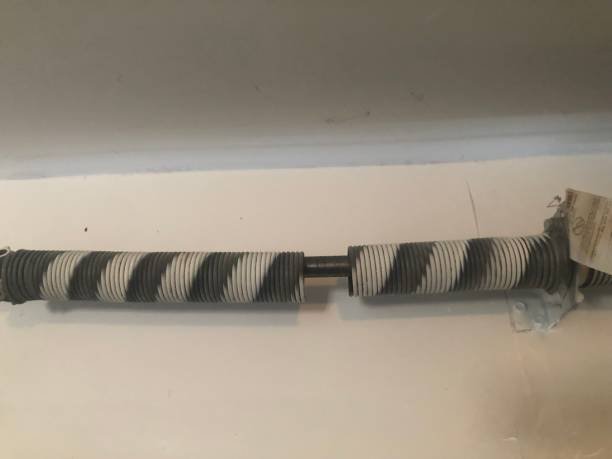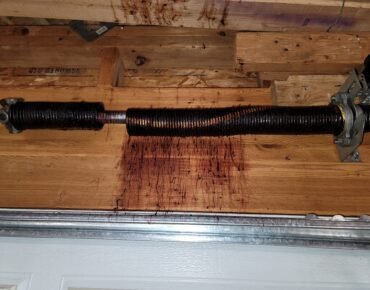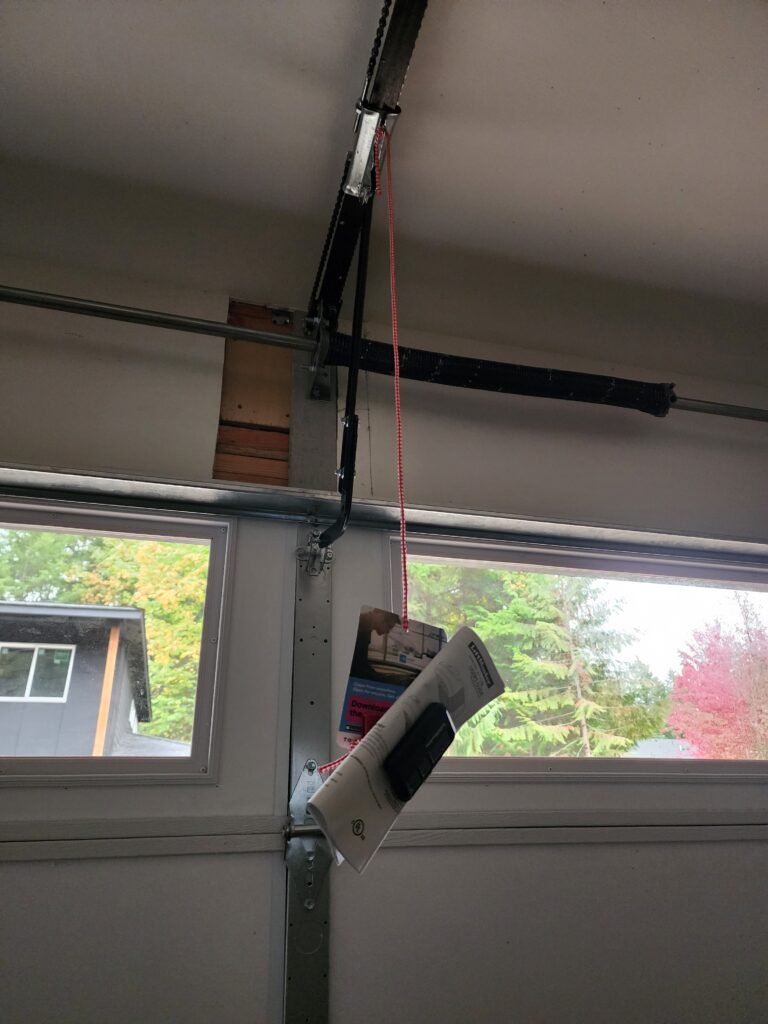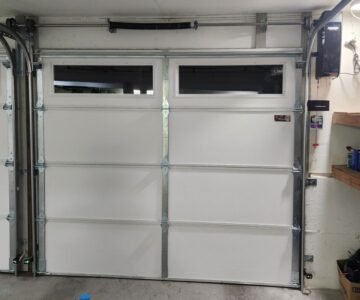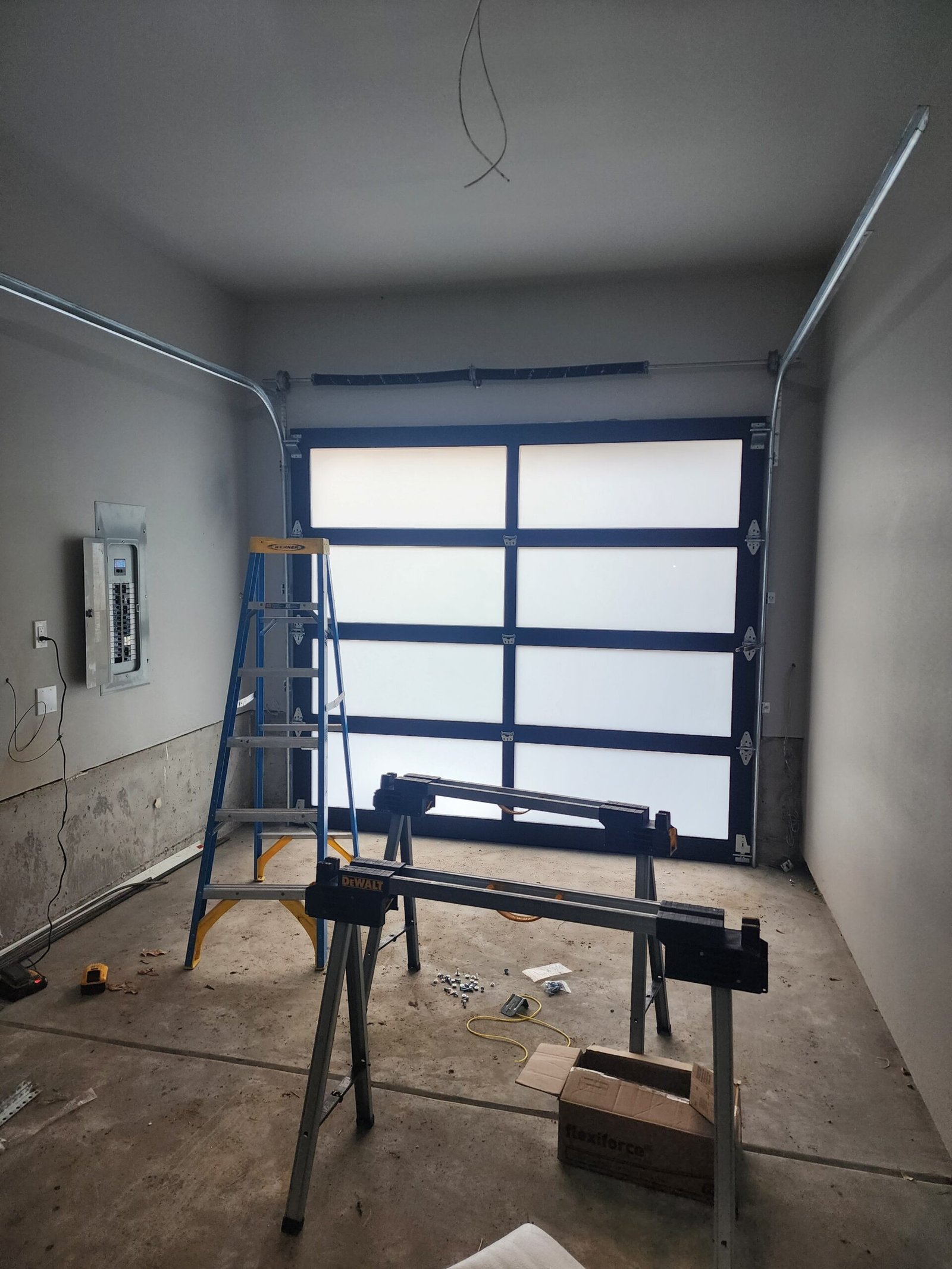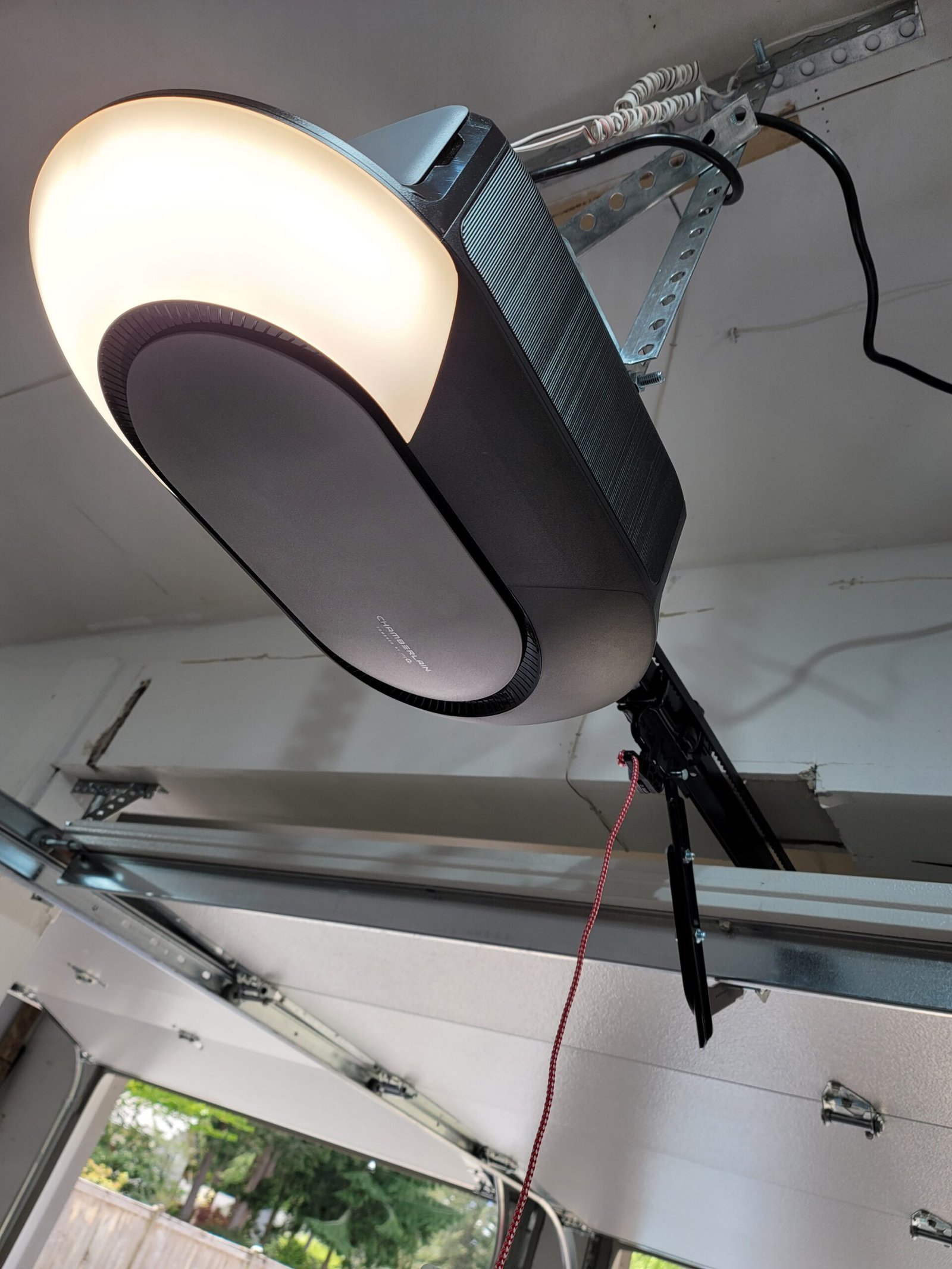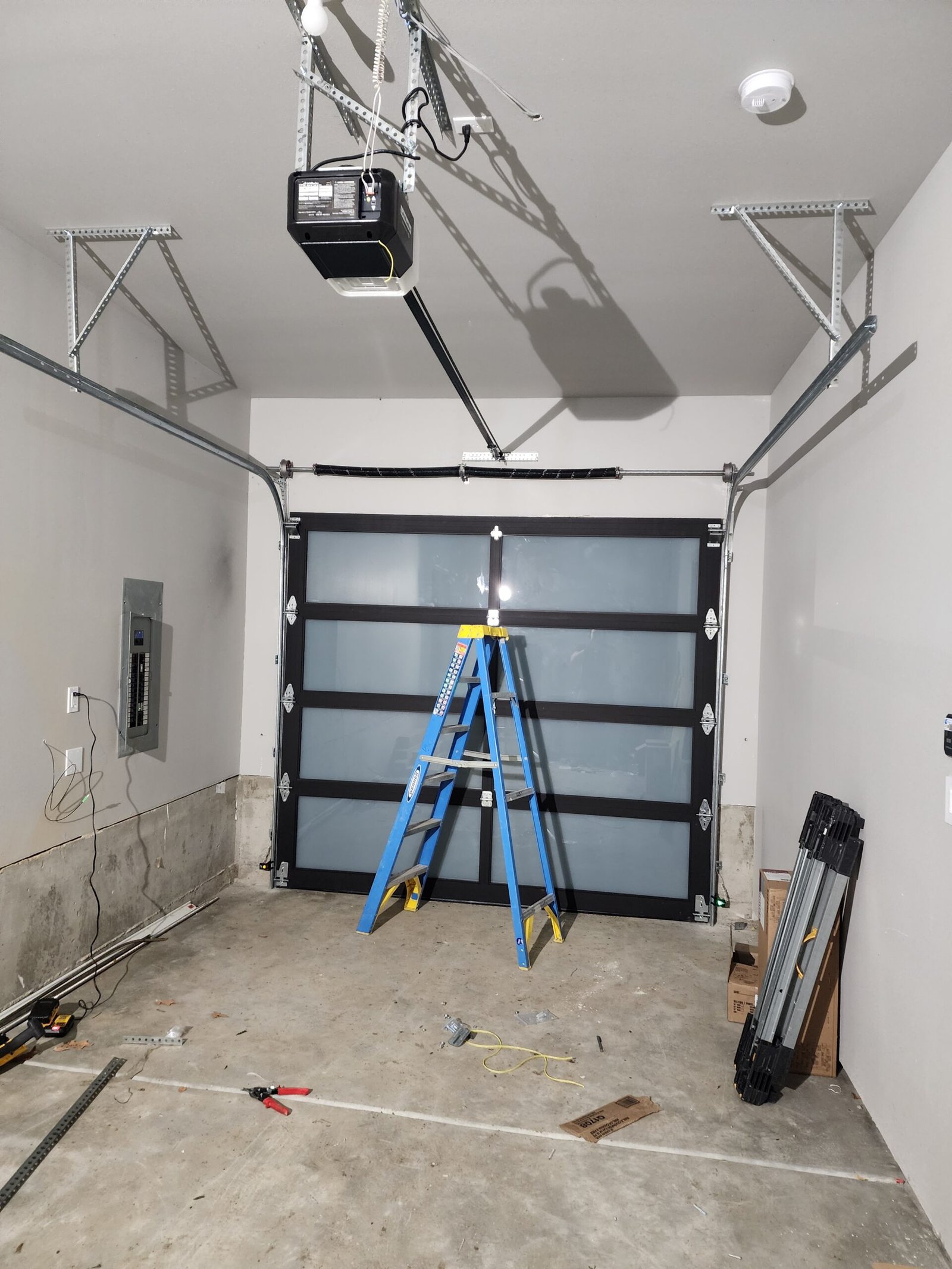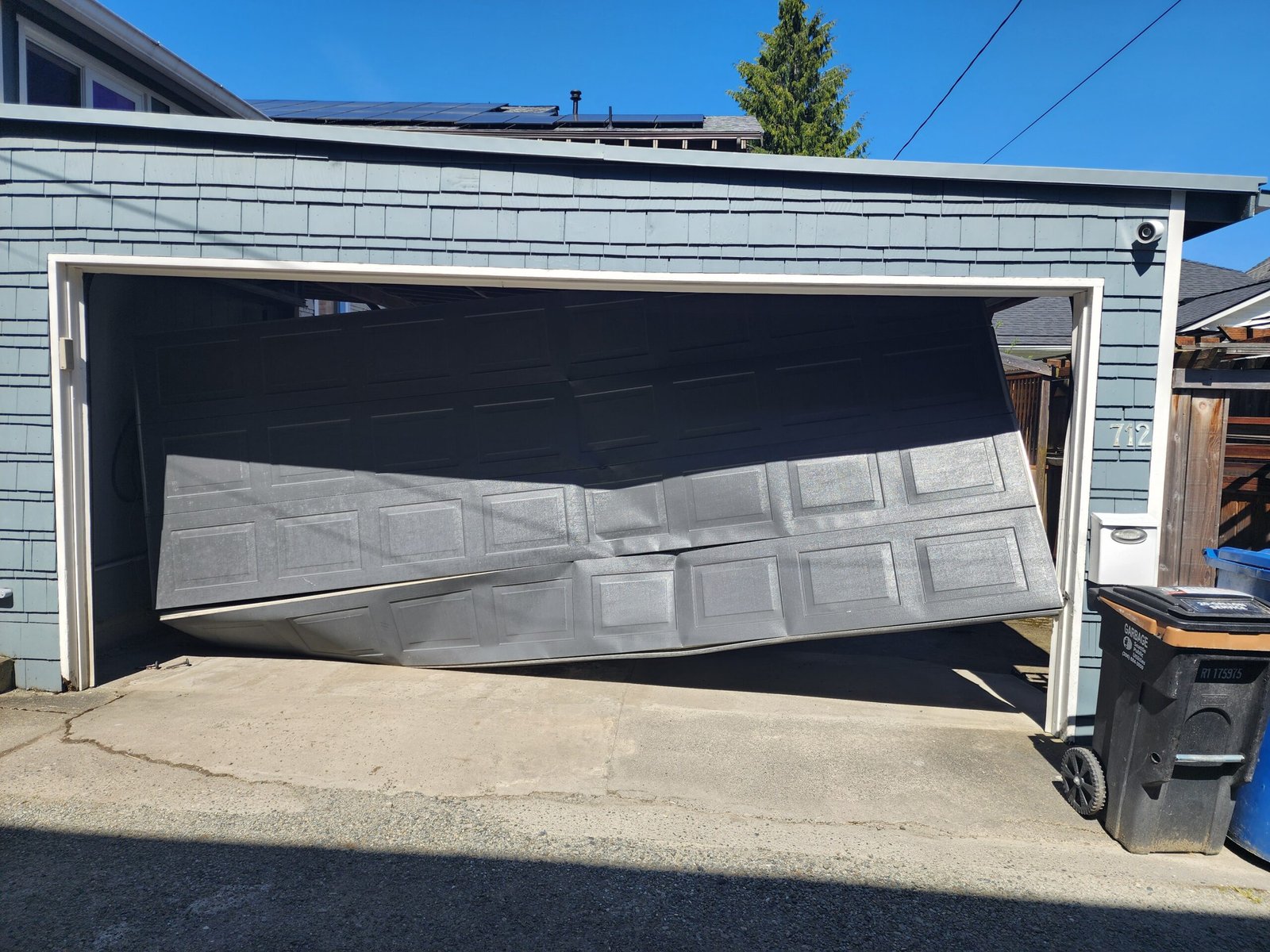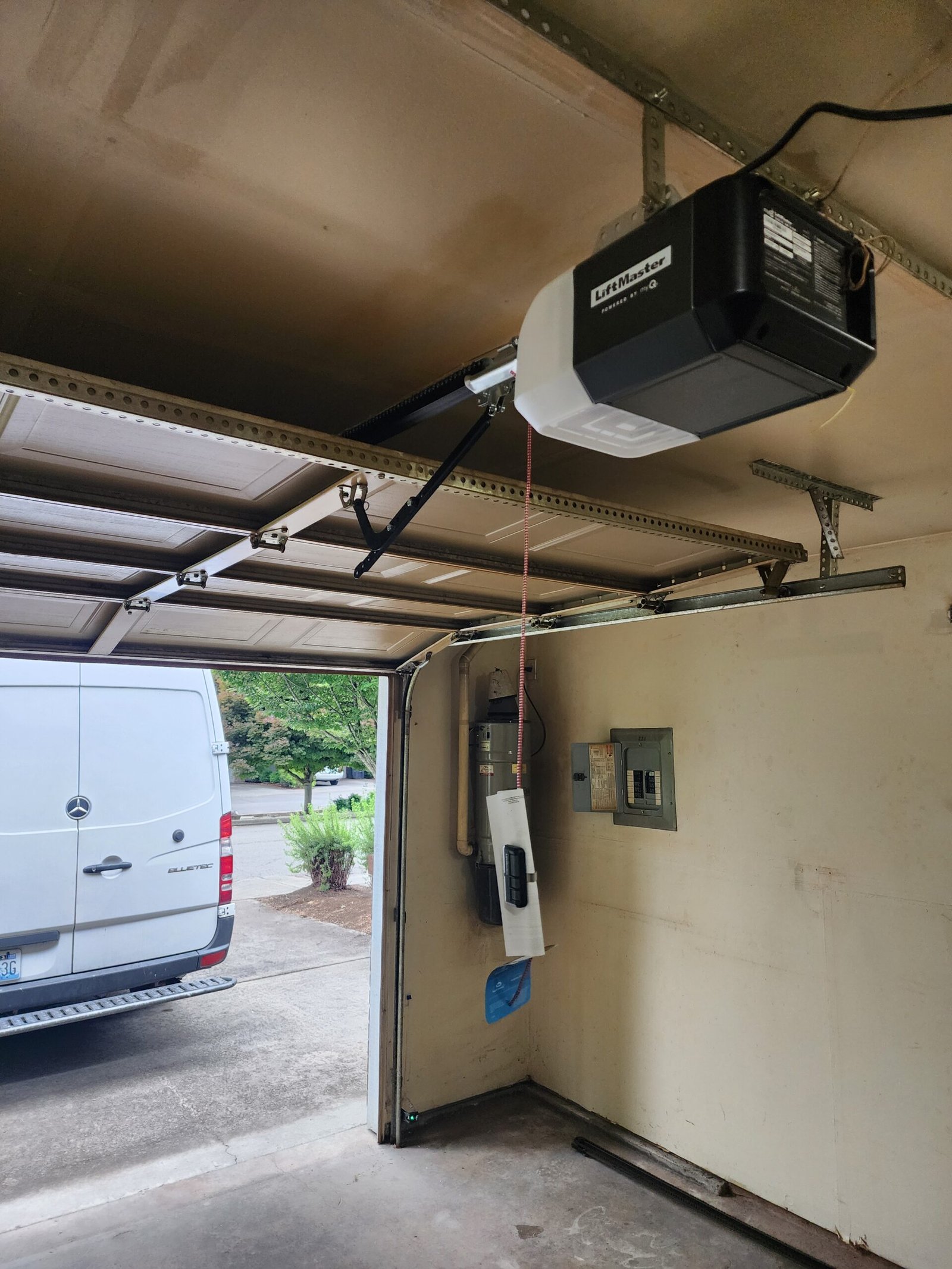
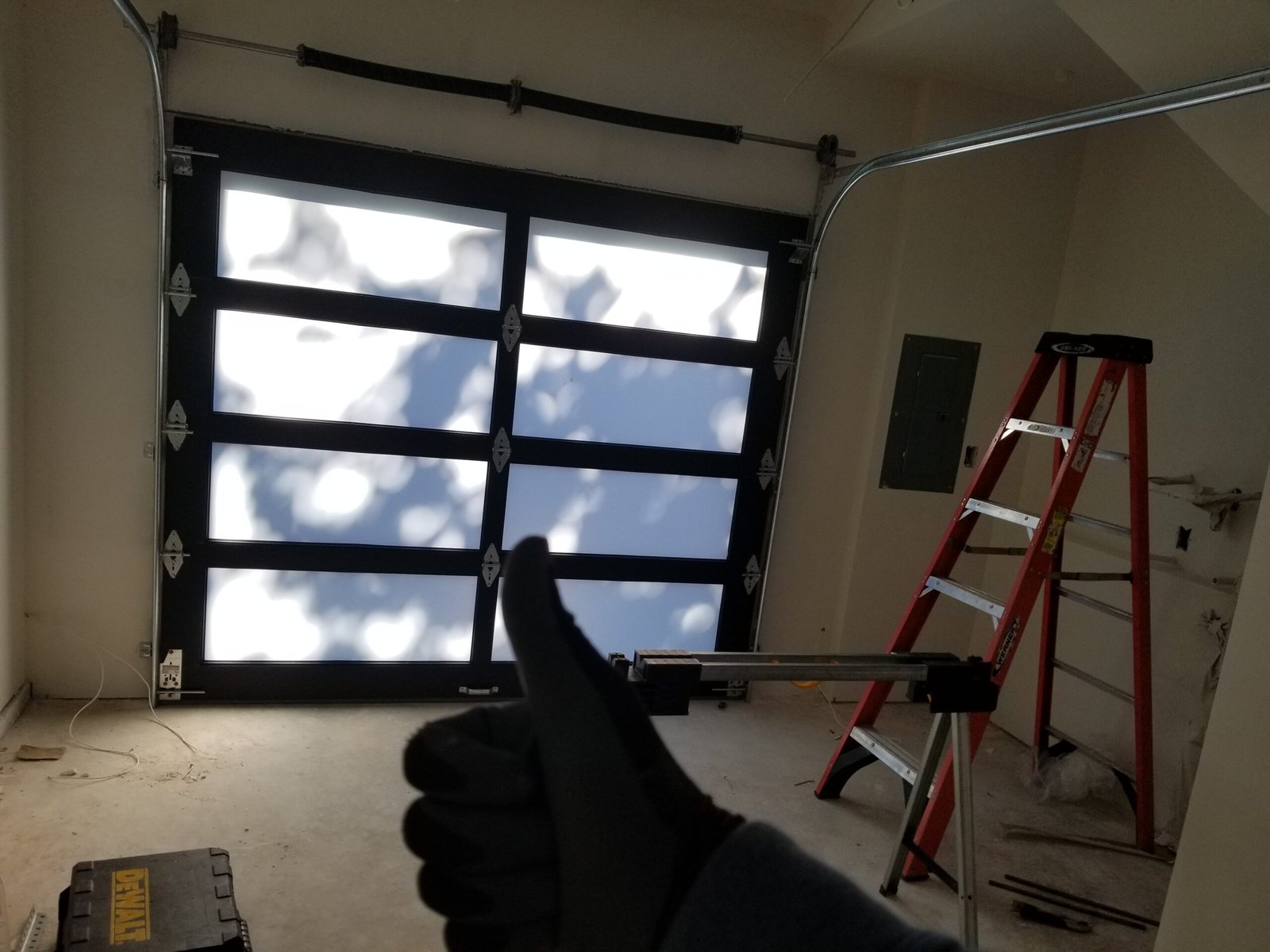
Garage door springs are the workhorses of your garage door system, counterbalancing doors that typically weigh between 150 and 400 pounds. These springs store and release energy to lift and lower your door smoothly, working in tandem with your garage door opener (motor)—which alone doesn't really take any weight on it. Mainly providing the force and direction for the garage door t…. When a spring breaks, your door becomes extremely heavy and dangerous to operate. Most residential doors use either torsion springs mounted horizontally above the opening or an older sistem called "extension springs" positioned along the side tracks.
Mon - Sat : 9am to 7pm Sunday is CLOSED

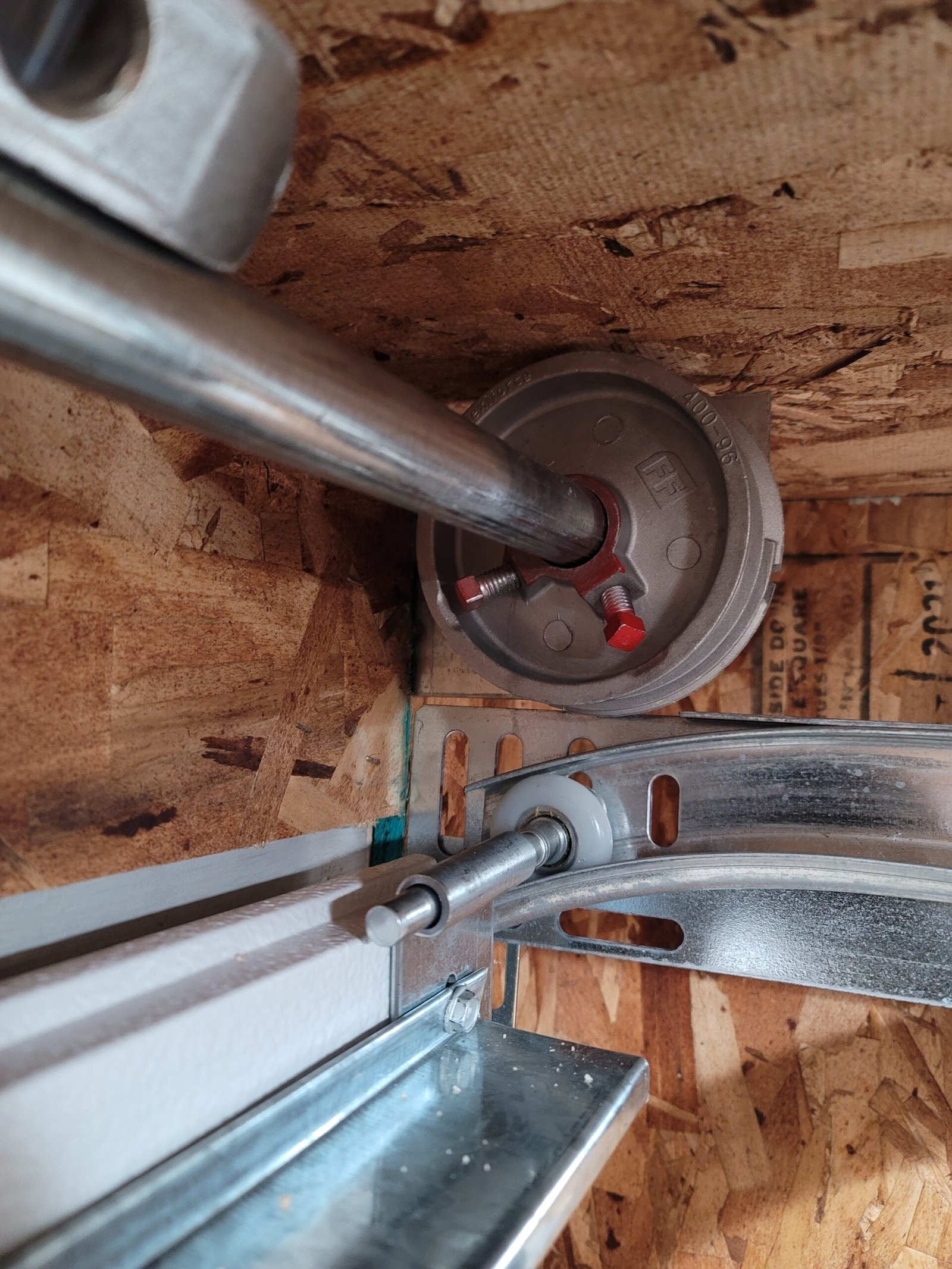
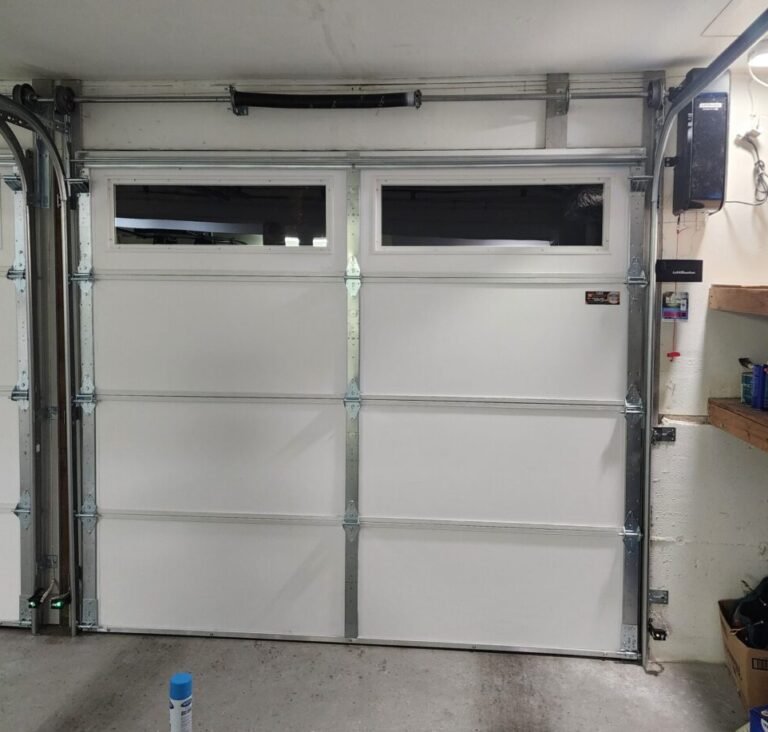
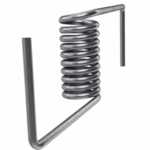 modern garage doors, mounted horizontally above your door opening on a metal shaft. These springs use torque—a twisting force—to lift your door efficiently and safely. With a lifespan of 10,000 to 25,000 cycles (typically 8-15 years), torsion springs offer superior durability compared to other options. When they break, they remain contained on the shaft, making them safer than extension systems. Professional garage door spring technicians recommend torsion springs for their reliability and consistent performance across different door weights and sizes.
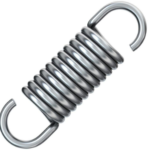 were commonly used in garage doors. These springs are located above the garage door, extending and contracting as the door opens and closes. However, extension springs can be dangerous if they break, as they can snap and shoot with considerable force, posing serious safety risks. Due to safety concerns, we no longer replace extension springs. Instead, we strongly recommend converting to torsion springs. Torsion springs are not only safer but also provide a more balanced, smoother operation for your garage door.